 yroByte
All services
- MVP Development A first version that ships
- Full Product Development App, backend, admin, ops
- Scaling & Platform Performance under load
- Web App Development Product-grade web apps
- Mobile App Development iOS and Android, one codebase
- Desktop Development Windows, macOS, and Linux
- API & Backend Systems Integrations and production APIs
- Shipping Platforms Carrier APIs and multi-carrier platforms
- Admin Dashboards Consoles a team works from
- Ecommerce Solutions Stores, payments, and orders
- AI Platform Mission Control for your team
Studio & specialized
- Game Development iOS, Android, web, desktop
- 2D Assets & Animation Sprites, UI, and cutscenes
- 3D Assets & Animation Characters, props, cinematics
- Embedded Hardware Boards, firmware, manufacturing
- Robotics & Autonomy Perception, planning, control
- Scientific & Biomedical Instrument-adjacent software
- Aerospace & Simulation Enterprise programs only
- Realtime Communication Game servers, WebRTC, UDP/TCP
- AI Tracking People, plates, pulse — live cameras
- Security Communications 4G PTT, command, personnel
- End-to-End Encryption Your keys, Signal-class sessions
- Consultation Scope, architecture, a plan
- Asset Design 2D and 3D under one roof
Realtime communication
Every moment.
In sync.
The match. The conversation. The update everyone is waiting for. We engineer the connections that make your product feel immediate, wherever people are.

CONNECTIONS THAT MOVE YOUR PRODUCTPlay. Talk. Share.
Behind every shared moment.
People connected.
Systems working together.
NDA by default Designed around your workload Tested beyond the happy pathEngagements from $2,000 CAD
01 / What we build
The right connection.
For every experience.
Six capabilities, shaped around your product. A messenger with calls or a game with a lobby is scoped as one connected engagement.

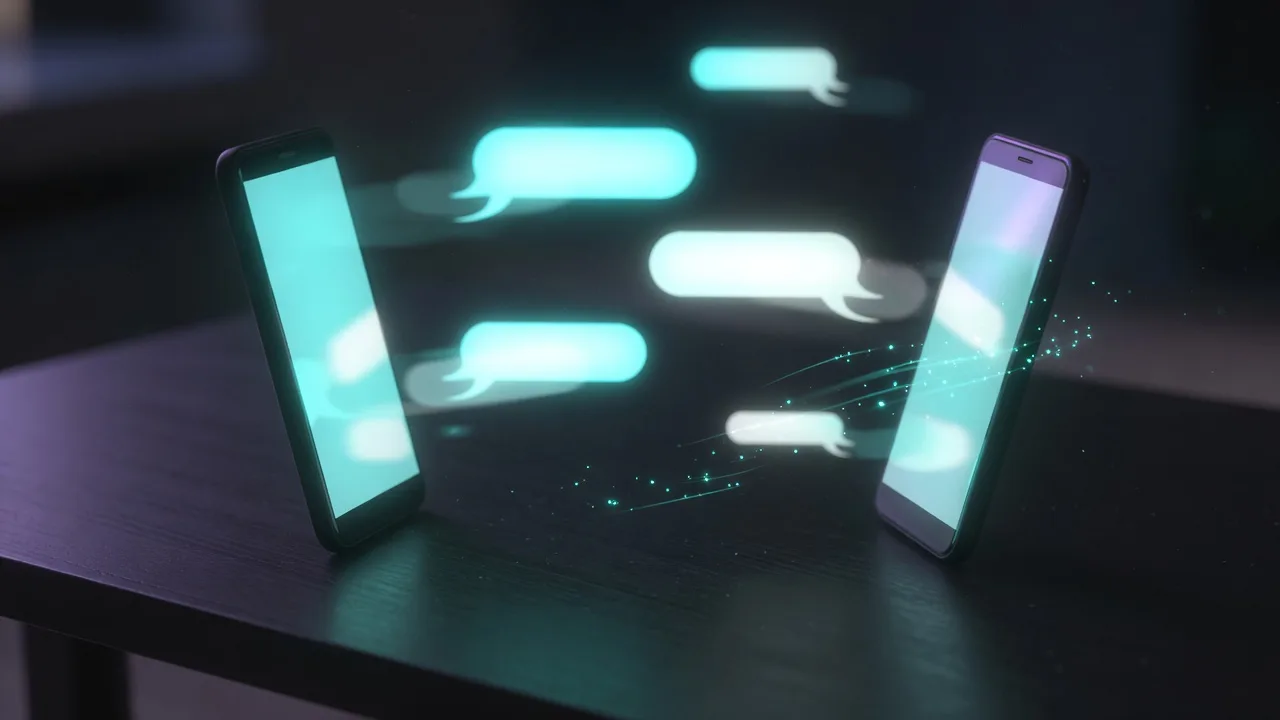
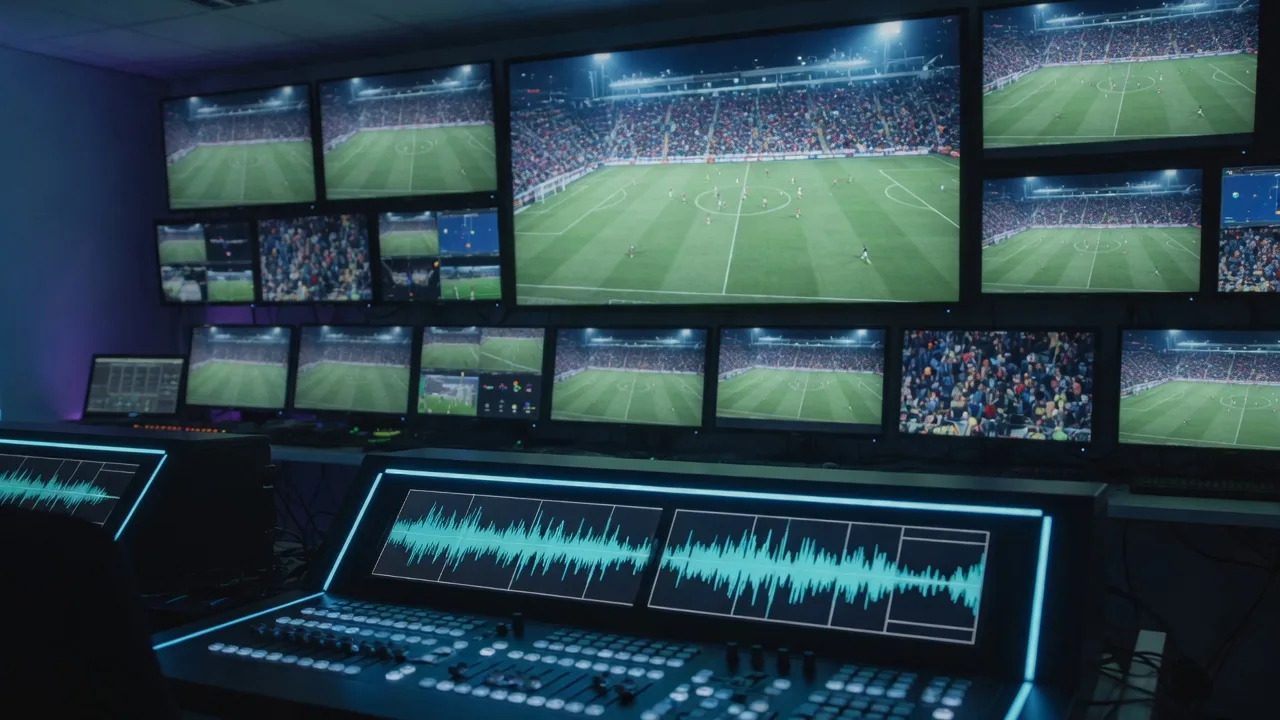
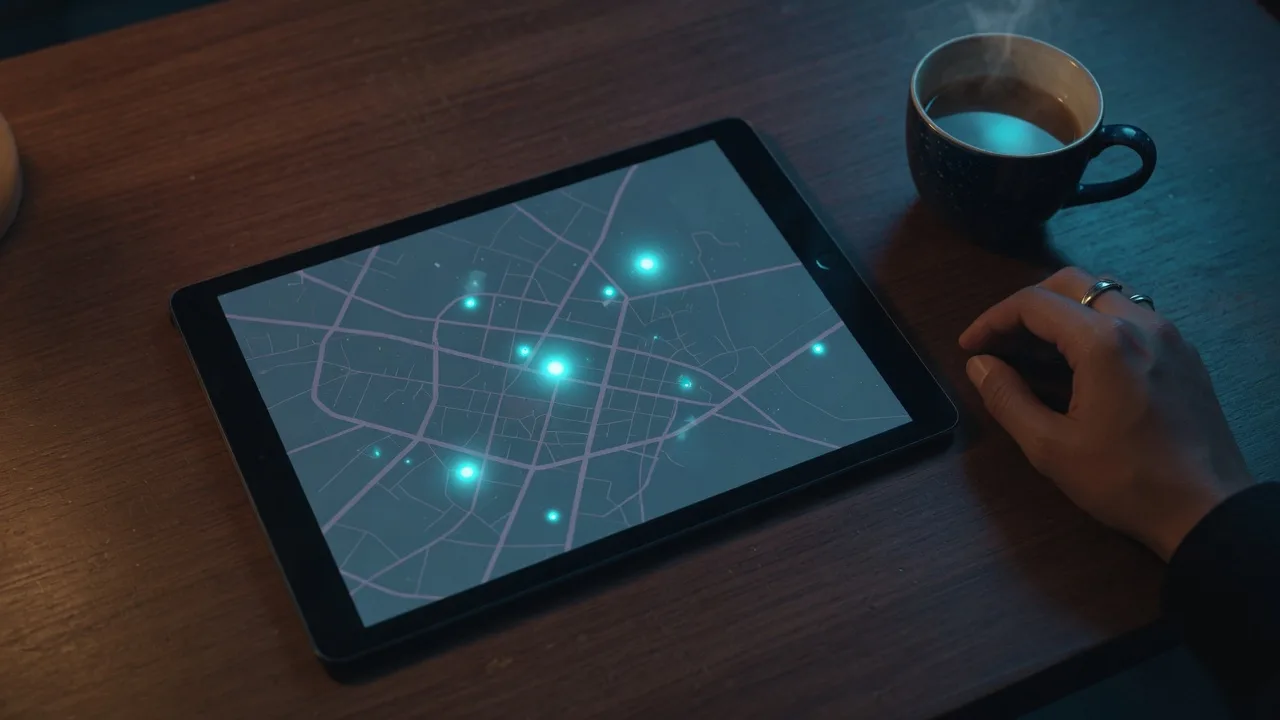
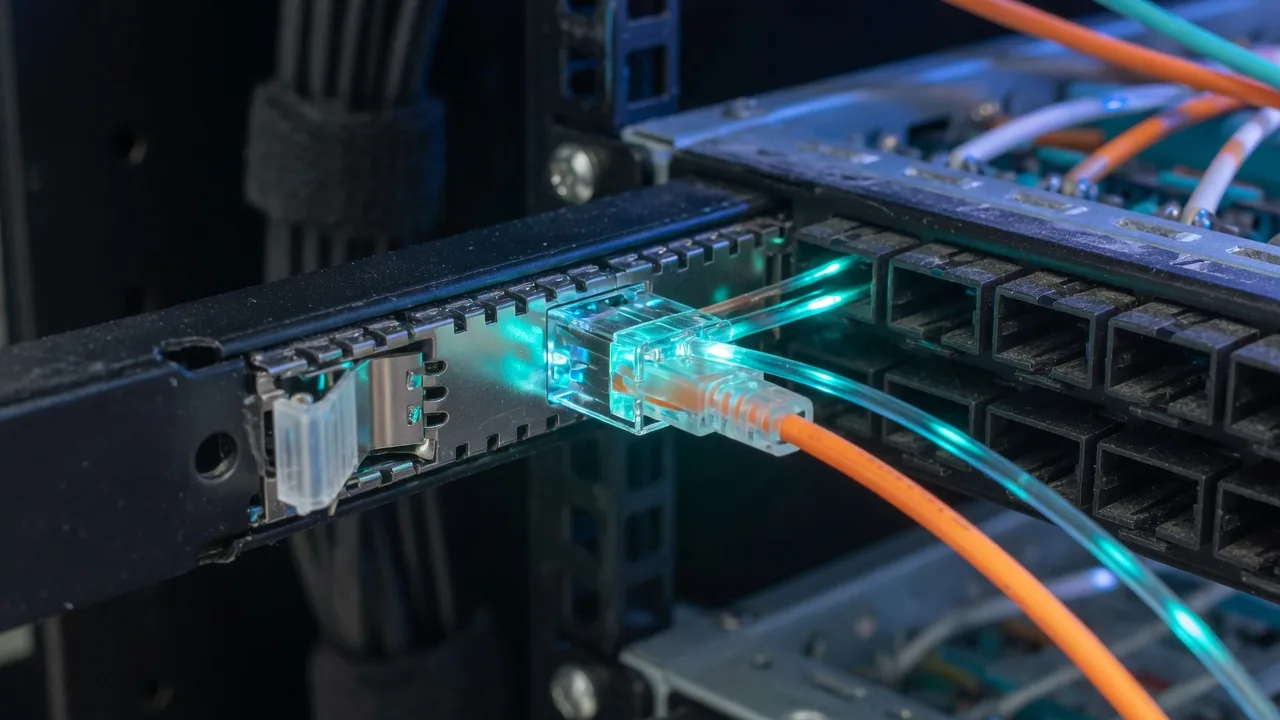
Starting prices cover an agreed scope. Features, integrations, and operational requirements are confirmed before delivery.
02 / The connection underneath
Choose the experience.
We’ll engineer the path.
Timing, delivery, and recovery matter more than a protocol name. Explore where each approach fits.
Two-way application messages
Keep both sides in the conversation.
A persistent connection for messages moving between the client and server. A practical fit for chat, presence, commands, and call signaling.
WebSockets / Concept view
Client
↔ Application server
Plan connection authentication, reconnect behavior, message acknowledgments, and catch-up.
Illustrative architecture · No live connection03 / Ready for the real world
A connection is just the start.
The experience has to hold.
Networks change. Devices sleep. Traffic spikes. We plan the behavior around those moments from the beginning.
Reconnect with context
Define what resumes, what replays, and how the client catches up when a connection returns.
Access stays intentional
Authenticate connections, authorize rooms and channels, and control who can publish or receive.
Measure the experience
Track latency, disconnects, queue depth, and media quality against the workload that matters.
Across products and industries
Multiplayer gamesCollaborationLive sportsLogisticsDevice fleetsCustomer support
04 / From idea to operation
Clear requirements.
Connected delivery.
A practical path from the experience you want to the infrastructure and operating plan behind it.
- 01
Define the experience
Map participants, concurrency, network conditions, and what must happen when a connection fails.
Requirements + success criteria - 02
Design the connection
Choose transports, session behavior, data flow, and the services around them.
Architecture + protocol plan - 03
Build & test
Validate under representative load, including reconnects, slow clients, and packet loss.
Implementation + test evidence - 04
Launch & observe
Deploy with dashboards, operational guidance, and a handover to your team.
Release + runbooks
Before we connect
Good questions.
Clear answers.
From a first live feature to a complete communication platform, start with the details that shape the system.
Talk through the architectureYes. We build authoritative dedicated servers, state synchronization, snapshots, interest management, and client prediction. The transport mix for gameplay, lobbies, chat, and persistence is selected around the game and its deployment requirements.
UDP gives the application control over datagram delivery without guaranteeing order or delivery. TCP provides an ordered, reliable byte stream. We choose based on timing, loss tolerance, and what the application needs to recover or confirm.
WebRTC supports interactive audio, video, screen sharing, and data channels in browsers and apps. Signaling is implemented separately, often with WebSockets. Connectivity can involve direct paths or relays, and group calls may use a media server such as an SFU.
SSE is useful when the server pushes updates to the client over HTTP. WebSockets provide a two-way connection for application messages. The choice depends on the traffic pattern, client environment, and recovery requirements. Replaying missed events needs application support in either design.
We design and test for the expected network conditions. Depending on the product, that can include reconnect and resume behavior, offline queues, adaptive media, and jitter buffering. We agree on degraded behavior and validate it under representative conditions.
Yes. Security Communications covers PTT radios and command operations, AI Tracking covers camera intelligence, and End-to-End Encryption covers private messaging and key ownership. These can be scoped alongside a realtime communication engagement.
Starting prices in CAD cover a scoped production engagement: live events from $2,000, presence from $3,000, custom protocols from $6,000, chat from $8,000, game servers from $10,000, and voice and video from $12,000. A product combining several capabilities is quoted as one engagement.
Let’s build the connection.
Bring people closer.
Move your product forward.
Tell us who needs to connect, what they need to share,
and the
experience you want to create.